
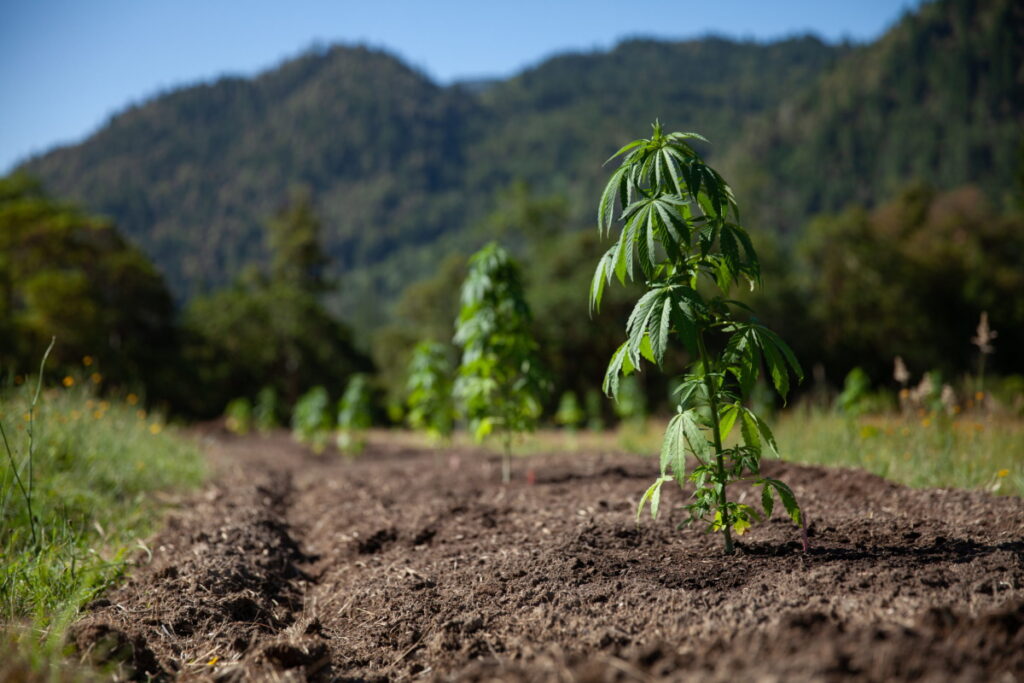
The Environmental Impact of Cannabis Cultivation & How Sustainable Practices Make a Difference
As the cannabis industry continues to expand, so does its environmental footprint. While cannabis is a natural resource, cultivation—especially at scale—requires significant energy, water, and land resources. Without responsible practices, the environmental impact can become substantial. Fortunately, the industry is evolving, and sustainable cultivation is not only possible—it’s becoming a competitive advantage.
At Pure Genesis, sustainability is more than a talking point. It’s a foundational element of how we operate and how we envision the future of cannabis. Here’s a deeper look at the environmental challenges facing the industry and how responsible cultivation practices are reshaping the landscape.
The Environmental Challenges of Cannabis Cultivation
- High Energy Consumption
Indoor cultivation often relies on artificial lighting, temperature control, and ventilation systems, which require large amounts of electricity. In some regions, cannabis growing facilities consume more energy per square foot than most manufacturing operations.
- Excessive Water Use
Growing cannabis efficiently requires consistent hydration. In areas facing drought conditions or water scarcity, this creates substantial strain on local ecosystems if not properly managed.
- Pesticide and Fertilizer Pollution
When synthetic chemicals are overused or improperly disposed of, they can contaminate soil and nearby waterways. This risk is especially relevant in outdoor or greenhouse operations without adequate environmental controls.
- Plastic and Packaging Waste
Single-use plastics, such as grow bags, drip lines, and packaging for consumer products, contribute to environmental degradation if not recycled or replaced with eco-friendly alternatives.
- Carbon Emissions
Indoor growing powered by conventional electricity sources contributes to greenhouse gas emissions. Transporting products across state lines can further increase carbon output.
How Sustainable Practices Make a Difference
Efficient Energy Use
Cultivators are increasingly adopting LED lighting, smart climate control systems, and renewable energy sources such as solar power to reduce overall electricity consumption. These solutions can dramatically lower carbon emissions.
Responsible Water Management
Techniques such as drip irrigation, rainwater harvesting, and closed-loop water systems help optimize water use. Many sustainable growers also monitor soil moisture levels to ensure plants only receive what they need.
Natural Pest Control and Organic Input
Replacing synthetic pesticides and chemical fertilizers with organic nutrients and biological pest control reduces environmental contamination and supports healthier crops.
Eco-Friendly Packaging
Packaging innovation—including recyclable, biodegradable, or compostable materials—can greatly decrease the industry’s solid waste output. Some companies now use recycled paper, plant-based plastics, or reusable container systems.
Sustainable Cultivation Methods
Outdoor and greenhouse cultivation powered by natural sunlight (when permitted by regulations) substantially lowers energy use. Indoor facilities are also transitioning to regenerative agriculture techniques and sustainable soil practices.
The Wider Impact: Environmental Sustainability as Business Strategy
Sustainable cultivation isn’t just better for the planet—it’s better for business. Environmentally conscious practices can:
- Reduce operational costs over time.
- Strengthen brand reputation among consumers, investors, and partners.
- Improve product quality and purity by minimizing exposure to contaminants.
- Support compliance with evolving regulatory requirements.
- Contribute to measurable ESG (Environmental, Social, and Governance) impact.
As the industry matures, companies that integrate sustainability into their core operations will be better positioned for long-term stability and growth.
Pure Genesis: Building Sustainability Into Cannabis
Our approach to sustainability is rooted in responsible cultivation, ethical leadership, and an understanding that environmental health directly impacts community health. We continue to explore farming partnerships committed to lower-impact methods and emphasize education and advocacy to promote industry-wide improvement.
We believe that responsible business is good business—and that the future of cannabis depends on the choices we make today.
Final Thought
Cannabis can be a force for good, but only when treated with the respect and responsibility it deserves. The environmental impact of cultivation is significant—but with intentional, sustainable practices, the industry can grow without compromising the planet.
Sustainability is not an option. It’s an obligation. And it’s one we proudly embrace.